Play isn’t just about having fun—it’s the foundation of early learning. Children learn best when they’re encouraged to explore, imagine, experiment and interact through play at their early learning centres. Play-based learning goes far beyond free time; it’s a thoughtful approach that uses a child’s natural curiosity to support development across cognitive, social, emotional and physical areas.
What Is Play-Based Learning?
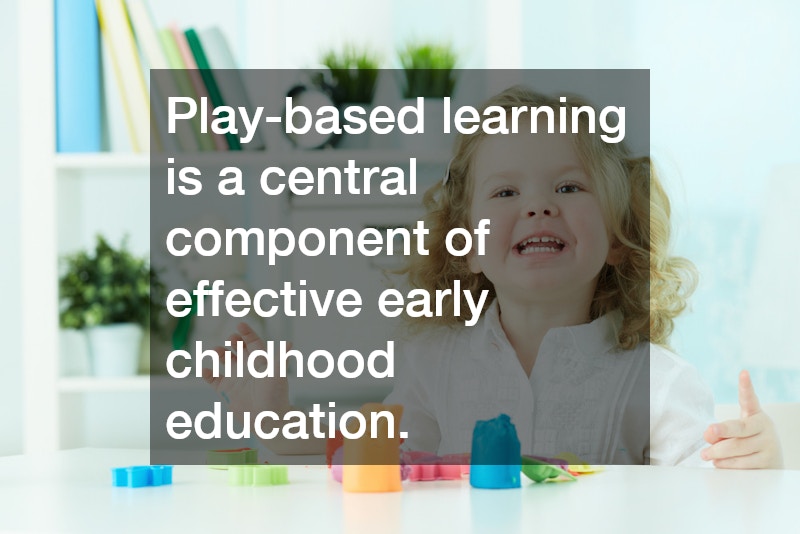
Play-based learning is an approach where play is the main way children learn. Rather than relying only on structured, teacher-led instruction, kids take part in activities that feel like play but are designed to build important skills.
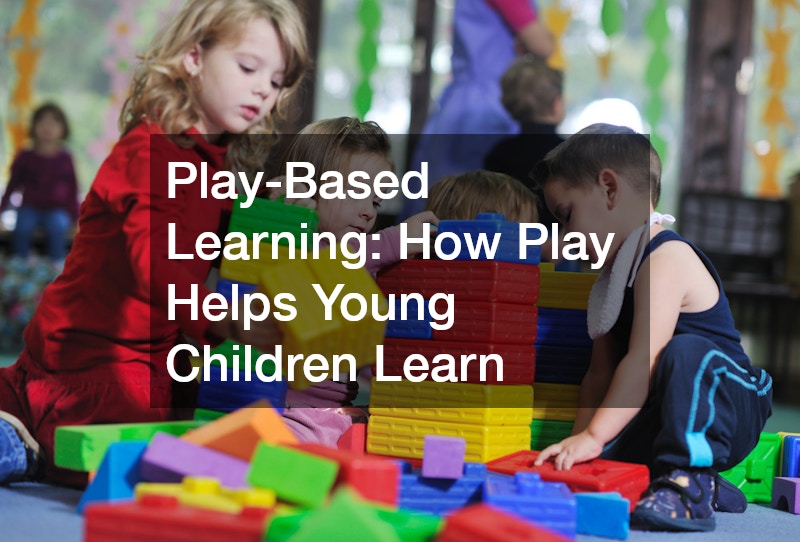
This might include imaginative role-play, building with blocks, sensory play, outdoor activities and guided group experiences. Educators support learning by observing, asking questions, introducing new ideas and helping children explore further.
Why Play’s So Powerful
Play is a natural and essential part of childhood. It’s how children start to make sense of the world, express themselves and develop key life skills. Research in early childhood education consistently shows that play supports development across many areas, including thinking skills, emotional awareness, communication and physical coordination.
Cognitive & Problem-Solving Skills
When kids play at their early learning centres, they’re thinking, experimenting and solving problems. Activities like stacking blocks, doing puzzles or building things involve planning, testing ideas and adjusting along the way. Even imaginative play includes storytelling, sequencing and decision-making.
These experiences help develop memory, focus and flexible thinking, which are all important foundations for later learning.
Social & Emotional Growth
Play gives children plenty of chances to interact with others. In both small and large groups, they learn to share, take turns, cooperate and work through conflicts. These moments help build empathy and emotional understanding.
Through play, kids also learn how to express their feelings, respond to others and handle social situations in a supportive environment.
Language & Communication Development
Play naturally encourages communication. Children chat with each other, explain their ideas, ask questions and create stories during play. These everyday interactions help build vocabulary, improve sentence structure and strengthen both listening and speaking skills over time.
As children engage in different types of play, they also learn how to take turns in conversations, follow instructions and express their thoughts more clearly. Role-play in particular gives kids the chance to experiment with language in creative and meaningful ways, helping them build confidence in how they communicate with others.
Physical Development
Play also plays a big role in physical growth. Outdoor activities like running, jumping, climbing and balancing build gross motor skills, while drawing, building and handling small objects strengthen fine motor skills.
Regular movement helps children develop coordination, balance and overall strength. It also supports spatial awareness and control, which are important for everyday tasks like writing, dressing and participating in group activities. Active play not only supports physical health but also boosts energy levels and focus.
Play & Lifelong Learning
Play-based learning helps children develop a positive attitude towards learning. When learning feels enjoyable and driven by curiosity, kids are more likely to stay engaged, motivated and confident as they grow.
Through play, children learn to explore new ideas, take risks and persist when things don’t go to plan. These experiences build resilience and a willingness to keep trying, which are important skills both in school and beyond. Skills developed through play—like persistence, creativity and problem-solving—carry through into everyday life and support long-term success.
Supporting Your Child
Play-based learning at early learning centres is a key part of effective early childhood education. It supports development across cognitive, social, emotional and physical areas while encouraging curiosity and a genuine love of learning. Through play, children build the essential skills they need not just for school, but for lifelong growth.