Choosing the right start for your child’s learning journey is one of the most important decisions you’ll make as a parent. Early childhood education isn’t just about getting ready for school—it’s about building a strong foundation for life. Quality early learning experiences help children grow cognitively, socially, emotionally and physically in ways that support them well beyond the early years.
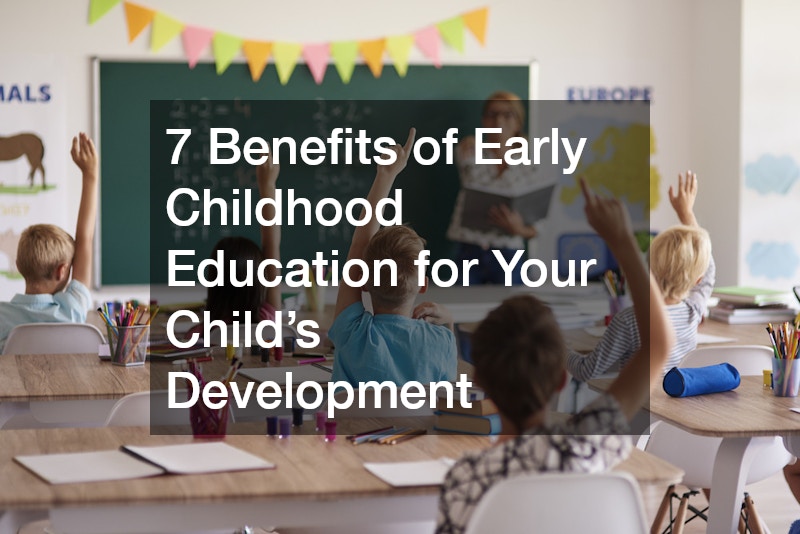
Here are seven key benefits of early childhood education and why those early years matter so much.
1. Builds a Strong Foundation for Lifelong Learning
Early childhood education sets the groundwork for everything that comes next. In the first few years of life, a child’s brain develops rapidly—by age five, it’s reached around 90% of its adult size. That makes early learning experiences incredibly important for shaping thinking, language and problem-solving skills.
A mix of play-based learning and structured activities helps spark curiosity and encourages children to explore and learn naturally.
2. Enhances Social & Emotional Skills
One of the biggest benefits of early learning is how it supports social and emotional development. In group settings, kids learn to interact with others, share, take turns and work through conflicts—skills that help them build positive relationships throughout life.
With the right guidance, children also learn to recognise and express their emotions, building confidence, resilience and empathy.
3. Encourages Communication & Language Development
Children in quality early learning environments are surrounded by rich language experiences through stories, conversations, songs and play. This helps expand vocabulary, improve listening skills and build early literacy.
Strong communication skills make it easier for children to express themselves clearly and set them up for success with reading and writing later on.
4. Boosts Cognitive Skills & School Readiness
Early learning helps develop important thinking skills like memory, attention and reasoning. Through age-appropriate activities, children are introduced to patterns, numbers, shapes and basic concepts that prepare them for a more structured school environment.
Blending play with intentional teaching helps children build these skills in a way that feels engaging and natural.
5. Encourages Independence & Confidence
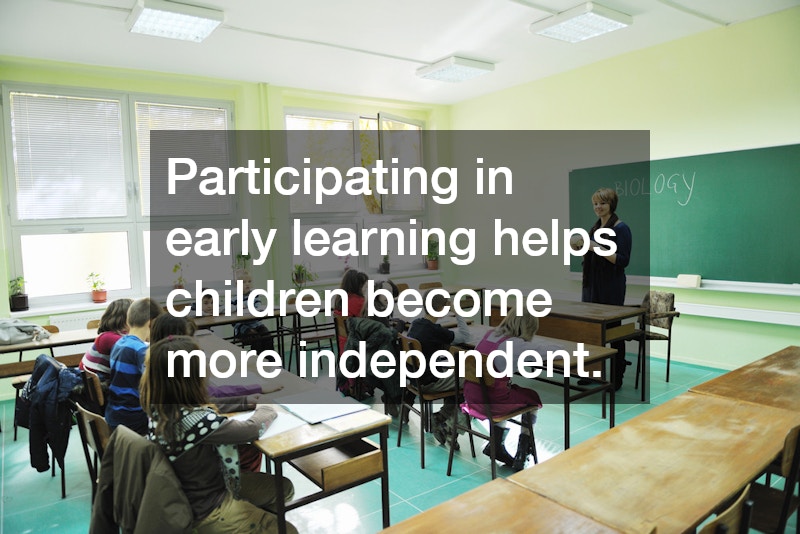
Being part of an early learning setting helps children become more independent. Everyday routines like choosing activities, following instructions and completing simple tasks teach responsibility and self-help skills.
As children achieve these small milestones, their confidence grows. They become more willing to try new things and take on challenges.
6. Fosters Creativity & Curiosity
Kids are naturally curious, and early learning helps nurture that. Through creative play, imaginative activities and open-ended experiences, children are encouraged to explore ideas and think in different ways.
This kind of environment supports flexible thinking and helps build a genuine love of learning that can last a lifetime.
7. Supports Physical Development & Well-Being
Early learning also plays an important role in physical development. Activities like drawing, building, climbing and dancing help develop both fine and gross motor skills.
These experiences improve coordination, strength and body awareness, while also supporting overall health and wellbeing. Active play is a key part of helping kids feel energised, focused and ready to learn.
Why It Matters
Research shows that children who take part in quality early childhood education are better prepared for both school and life. The benefits can carry through into adulthood, including stronger social skills and better educational outcomes.
Choosing the right early learning environment can make a real difference, helping your child build confidence, curiosity and a lifelong love of learning.