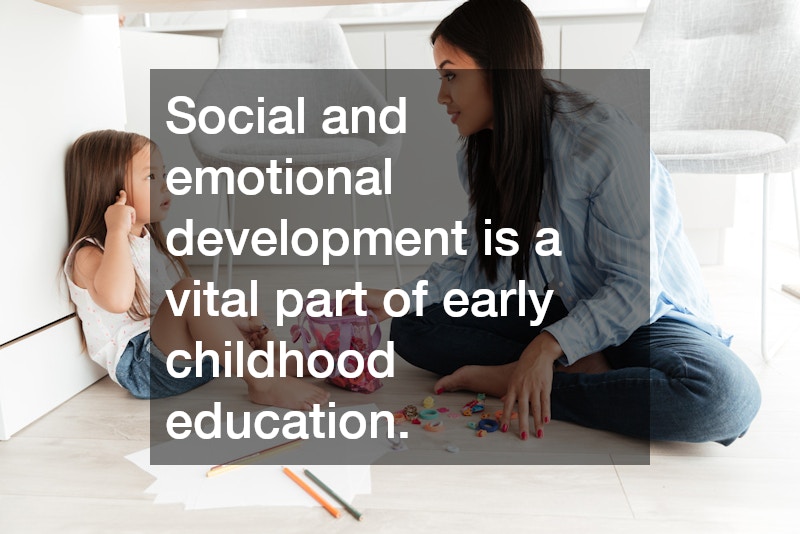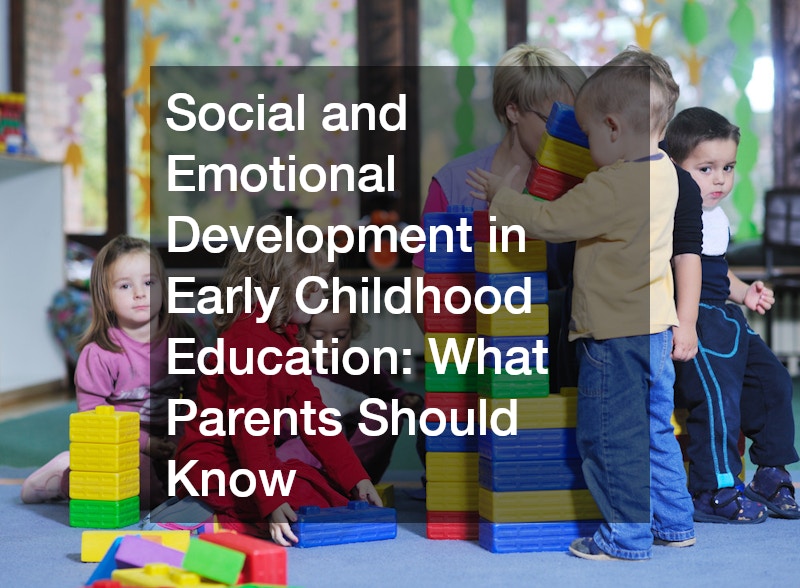
Social and emotional development is a vital part of early childhood education, shaping how children understand themselves, build relationships and navigate the world around them. While academic learning is important, a child’s ability to manage emotions, communicate effectively and develop empathy plays an equally critical role in long-term success. For parents, understanding how these skills develop—and how early learning environments support them—can make a meaningful difference in a child’s growth.
What Is Social and Emotional Development?
Social and emotional development refers to a child’s ability to form relationships, regulate emotions and interact positively with others. From birth through early childhood, children begin learning how to express feelings, build trust and respond to social situations.
In early childhood education, these skills are intentionally nurtured through structured activities, guided play and supportive interactions with educators and peers. Children learn to recognise emotions, practise self-control and develop empathy—skills that are foundational for both school readiness and everyday life.
Why It Matters in Early Childhood Education
Research consistently shows that strong social and emotional skills are closely linked to academic achievement and overall wellbeing. Children who develop these abilities early are better equipped to focus, cooperate and adapt to new environments.
In high-quality early childhood education settings, social and emotional learning helps children:
- Build confidence and independence
- Develop positive relationships with peers and educators
- Improve problem-solving and decision-making skills
- Learn how to manage frustration and setbacks
These competencies are not only essential for success in school but also influence long-term outcomes such as mental health, relationships and life satisfaction.
Key Social and Emotional Skills Children Develop
Early learning environments focus on several core areas of development. These include:
Self-awareness: Children begin to understand their own emotions, strengths and preferences. This helps them express feelings in healthy ways.
Self-management: Learning to regulate emotions is a crucial step. Children develop strategies to cope with frustration, excitement or anxiety.
Social awareness: Through interaction, children learn empathy and begin to understand the perspectives of others.
Relationship skills: Sharing, taking turns and cooperating with peers are key components of early childhood education programs.
Responsible decision-making: Children start to make choices, solve problems and understand consequences in a supportive environment.
These skills are often developed through play-based learning, which allows children to explore emotions and relationships in a natural and engaging way.
How Early Learning Centres Support Development
High-quality early learning centres, such as Sanctuary Early Learning Adventure Maudsland, create nurturing environments where children feel safe, supported and encouraged to explore. Educators play a critical role by modelling positive behaviour, guiding interactions and fostering strong relationships with each child.
Positive educator–child relationships are especially important. When children feel secure and supported, they are more likely to engage, participate and develop strong social and emotional skills.
Structured routines, group activities and collaborative play all contribute to helping children practise communication, cooperation and emotional regulation. These experiences build a strong foundation for future learning and development.
What Parents Can Do at Home
Parents play an equally important role in supporting social and emotional development alongside early childhood education. Simple, everyday interactions can reinforce these skills:
- Encourage open conversations about feelings
- Model empathy and positive communication
- Provide opportunities for social interaction with other children
- Support problem-solving rather than immediately stepping in
- Create consistent routines that provide a sense of security
By working together with educators, parents can help children develop the confidence and emotional resilience they need to thrive.
Building a Strong Foundation for the Future
Social and emotional development is not a separate part of learning—it is at the heart of early childhood education. When children develop these skills early, they are better prepared to succeed academically, build meaningful relationships and navigate life’s challenges.
For families considering early learning, choosing an environment that prioritises emotional wellbeing alongside education can have a lasting impact. With the right support from both educators and parents, children can grow into confident, capable and emotionally intelligent individuals.