Choosing the right early learning centre for your child is one of the most important decisions you will make as a parent. The early years are formative, laying the foundation for social, emotional and cognitive development. Finding a centre that meets your expectations for quality care, education and safety ensures your child has the best possible start.
Parents need to consider multiple factors when evaluating a local early learning centre, from the curriculum and staff qualifications to facilities and outdoor spaces. The right environment should support your child’s individual learning style, encourage curiosity and foster confidence.
1. Safety & Security Measures
The safety of children should be the highest priority at any early learning centre. Centres should have secure access points, supervised play areas and well-established safety protocols. Parents should feel confident that their child is protected at all times.
Regular safety drills and inspections demonstrate a commitment to maintaining a secure environment. Staff should be trained in first aid and emergency response, and centres should have systems in place to respond promptly to any incidents.
Ongoing professional development ensures staff are equipped to manage new safety challenges. Security measures such as cameras, monitored entry and alert systems add another layer of protection. Prioritising safety is foundational to providing a supportive and trustworthy learning environment.
2. Educational Curriculum & Programs
A high-quality educational program is central to a child’s development. A well-rounded curriculum balances structured learning with creative play, supporting cognitive, social and emotional growth.
Look for programmes that encourage problem-solving, critical thinking, collaboration and creativity. Literacy, numeracy, science and arts activities should all be part of the learning experience, helping children build curiosity and confidence.
Programs should be tailored to different developmental stages, with activities that are both engaging and age-appropriate. Centres that adapt learning to the needs of each child create a strong foundation for future academic success.
3. Classroom & Facility Design
The physical environment can greatly influence a child’s learning and wellbeing. Classrooms should be bright, safe and stimulating, with clearly defined learning zones such as reading nooks, art stations and science areas.
A thoughtful layout encourages exploration, creativity and independent learning. The use of natural light, calming colours and quality furnishings creates a welcoming atmosphere where children feel comfortable and engaged.
Maintaining and updating facilities reflects a centre’s dedication to providing high-quality experiences. Clean, well-organised and age-appropriate spaces are essential for supporting development and fostering enjoyment in learning.
4. Teacher-to-Child Ratio
The ratio of staff to children is critical for providing personalised attention. Lower ratios allow educators to build strong relationships with each child and tailor learning experiences to individual needs.
Centres that maintain recommended staffing levels promote a safe, interactive and engaging environment. This can improve social skills, confidence and emotional wellbeing, while supporting language and cognitive development.
Parents should verify that the centre adheres to best-practice ratio guidelines. Adequate staffing ensures supervision, smooth routines and more effective learning outcomes.
5. Parent Testimonials & Reviews
Hearing from other families can provide valuable insights into a centre’s culture, quality and reliability. Positive testimonials often indicate consistent standards and a supportive learning environment.
Consider both written reviews and direct conversations with parents. Feedback may cover staff interactions, communication, educational approaches and overall satisfaction. Gathering multiple perspectives helps you build a well-rounded view of the centre.
Keep in mind that opinions can vary. Evaluating a wide range of feedback ensures you gain a balanced understanding of the centre’s strengths and areas for improvement.
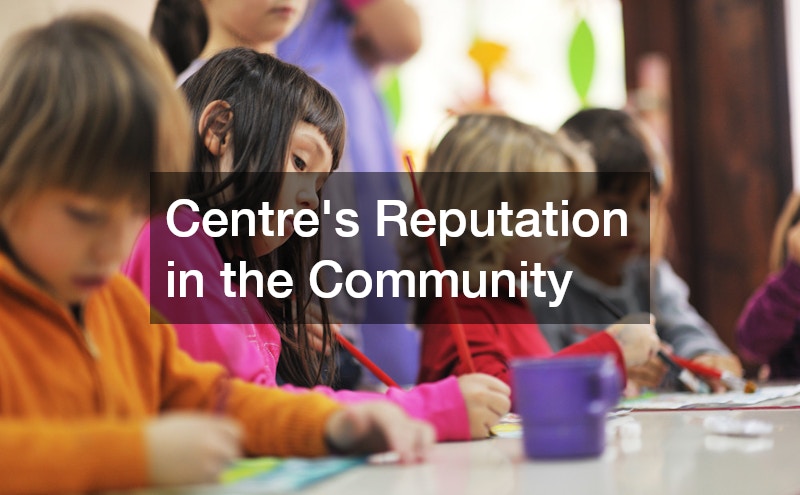
6. Centre’s Reputation in the Community
A strong reputation within the local community can reflect years of reliable service and positive outcomes. Centres that participate in community events or partnerships demonstrate a broader commitment to families.
Speaking with local residents and community leaders can provide additional context about the centre’s standing. Centres recognised and respected locally often offer a trustworthy, family-oriented approach to early learning.
Ongoing engagement with the community strengthens relationships, enhances learning opportunities and fosters a sense of belonging for children and their families.
Selecting the right early learning centre involves evaluating safety, educational quality, staff expertise, learning environments and community reputation. Each factor contributes to your child’s growth, happiness and readiness for school.
By understanding what defines a good centre, parents can make informed choices that align with their values and meet their child’s unique needs. Investing time in research and visits ensures your child has access to a supportive, stimulating and secure learning environment.
A considered choice today lays the groundwork for lifelong learning and success. Finding a centre that balances education, care and community engagement opens the door to a fulfilling start for your child’s early years.